

THE MASKS OF DELUSION
Contemplations at the Edge of Reality: A Pentalogy on Reality, Consciousness, Creation and Human Destiny
Revised and Expanded Edition, 2026
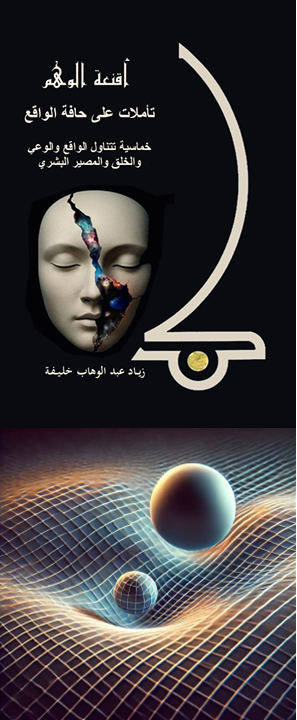
أَقنِعَة الوَهْمِ
تأملات على حافة الواقع: خماسية تتناول الواقع والوعي والخلق والمصير البشري
طبعة منقحة وموسعة، 2026
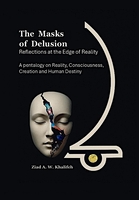
Welcome to Arwad Publishing, where we are proud to present the works of Ziad A. W. Khalifeh. Unveil "The Masks of Delusion'", a profound work available for you in both English and Arabic, completely free of charge. Delve into its pages online, listen to audio, or download the full PDF to read at your leisure.
You can buy a printed paperback book of this pentalogy directly from IngramSpark (UK and USA only) for a low printing press price, or from Turtelia for a global distribution through Amazon (higher prices). Links are below.
THE MASKS OF DELUSION
Contemplations at the Edge of Reality: A Pentalogy on Reality, Consciousness, Creation and Human Destiny
What if the explicit truth in science is itself the implicit truth of metaphysics and spirituality, not opposing truths, but reflections of the same hidden order? In this ambitious and thought-provoking pentalogy, Ziad A. W. Khalifeh explores a unifying vision of reality grounded in the concept of "The Common Abstract" between the physical and the metaphysical, and in one central principle: equilibrium.
Across five interconnected works, the reader is invited on a journey through physics, metaphysics, consciousness, ethics, and theology-where the boundaries between
disciplines dissolve into a deeper coherence.
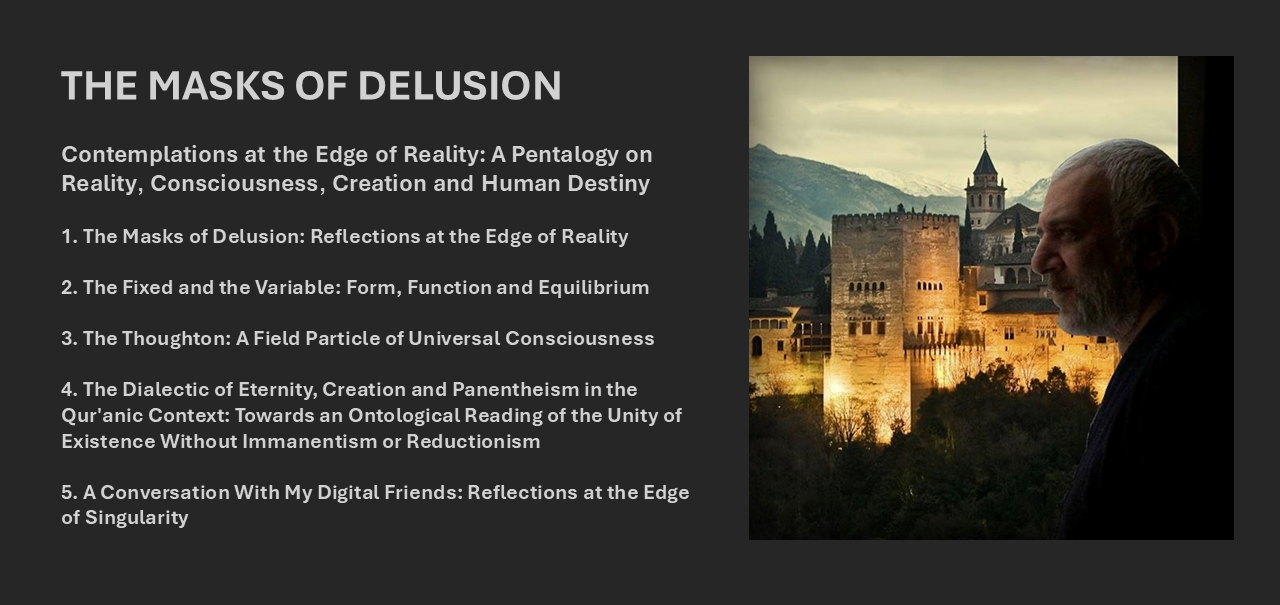
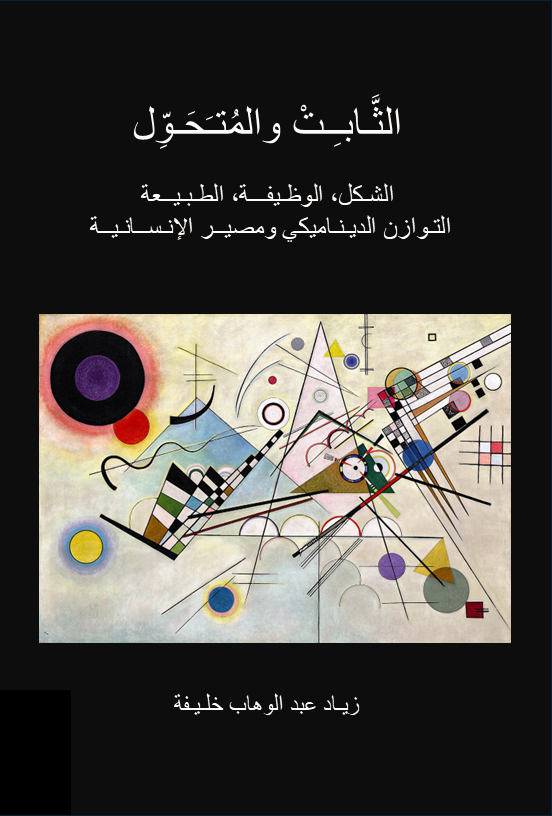
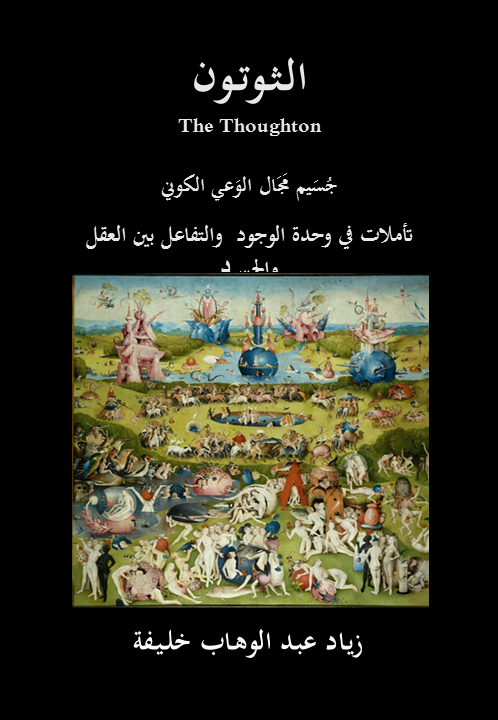
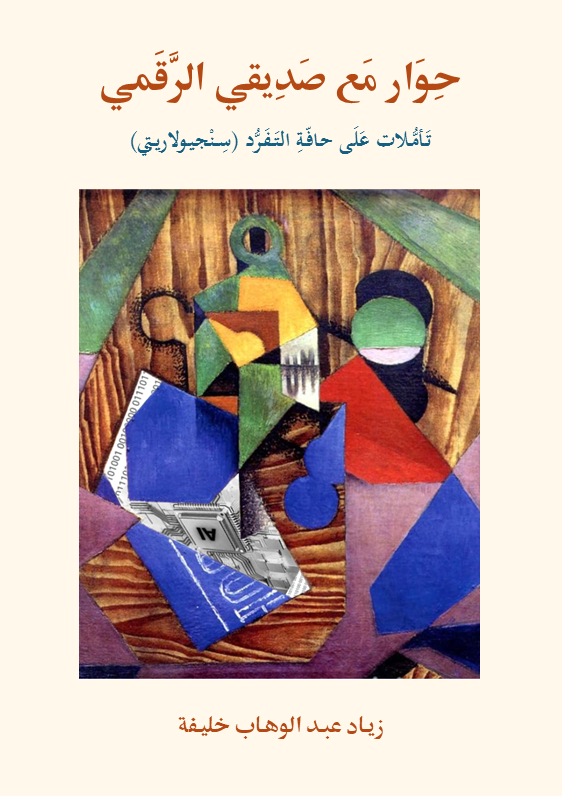
From The Masks of Delusion, which challenges the illusions shaping modern thought, to The Fixed and the Variable, where form and function are re-examined through the lens of dynamic balance; from The Thoughton, proposing a field-based ontology of consciousness, to a profound Panentheistic Qur'anic Exploration of eternity and creation; and finally, to A Conversation With My Digital Friends that questions the future of mind and meaning - this collection offers a bold synthesis of ideas rarely brought together in a single work.
At its heart lies a simple yet powerful insight: Reality is not conflict, but balance misunderstood.
This is not merely a set of books- it is an invitation to rethink existence itself
أقنعة الوهم
تأملات على حافة الواقع: خماسية حول الواقع والوعي والخلق والمصير الإنساني
ماذا لو كانت الحقيقة الظاهرة في العلم هي ذاتها الحقيقة الباطنة في الميتافيزيقيا والروحانية، لا وصفان متناقضان بل انعكاسان لنظام خفي واحد؟ في هذه الخماسية الطموحة والمثيرة للفكر، يستكشف زياد خليفة رؤية موحّدة للواقع ترتكز على مفهوم المجرَّد المشترك" بين الفيزيقي والميتافيزيقي، ومبدأ جوهري واحد: التوازن"
عبر خمسة أعمال مترابطة، يُدعى القارئ إلى رحلة تشمل الفيزياء والميتافيزيقا والوعي والأخلاق واللاهوت؛ حيث تتلاشى الحدود الفاصلة بين هذه الحقول المعرفية لتذوب في تناغم أعمق
بدءاً من كتاب "أقنعة الوهم" الذي يستعرض أزمات العهد المعاصر ويتحدى الأوهام التي تشكّل الفكر الحديث، ومروراً بكتاب "الثابت والمتحوّل" الذي يعيد فحص الشكل والوظيفة من منظور التوازن الديناميكي، وكتاب "الثوتون" الذي يطرح رؤية أنطولوجية للوعي قائمة على مفهوم "الحقل"، ووصولاً إلى استكشاف قرآني عميق لمفهومي الأزلية والخلق وفق رؤية "وحدة الوجود الثنائية الجوانب واللاحلولية"، وانتهاءً بكتاب "حوار مع أصدقائي الرقميين" الذي يتساءل عن مستقبل العقل والمعنى؛ تقدم هذه المجموعة مزيجاً جريئاً من الأفكار التي نادراً ما تجتمع في عمل واحد
وفي قلب هذا العمل تكمن رؤية بسيطة ولكنها قوية: الواقع ليس صراعاً، بل هو توازن أُسيء فهمه
إن هذا العمل ليس مجرد مجموعة من الكتب، بل هو دعوة لإعادة التفكير في الوجود ذاته
قصة هذا الكتاب … حلم مشترك، وإهداء إلى روحٍ غائبة حاضرِة
بدأت رحلة كتاب "أقنعة الوهم" في عام 2008 خلال فترة إقامتي في مدديتة أبو ظبي، بإيمان مطلق ودعم سخي من زوجتي الراحلة سهاد جرار. لم تكن الظروف حينها ممهدة، وتوقف المشروع لسنوات طويلة، خاصة بعد إصابتها بمرض السرطان من الدرجة الرابعة عام 2014.
في عام 2019، شددت الرحال لأكون بجانبها وبجانب بناتي في بريطانيا، لأقضي معها مراحل مرضها المتأخرة قبل أن تفارقنا بعد أقل من عامين.
اليوم ــ "وَمَنْ تَضِيقُ بِهِ أَرْجَاءُ أَرْضٍ ... يَطِيبُ بِغَيْرِهَا لَهُ الْمَقَامُ"ــ كذلك وجدت الاستقرار في بريطانيا أمراً مريحاً ومُرضياً ــ وإنني ممتنٌ للقدر الذي مكّنني، عبر شتى الوسائل والتقدم التكنولوجي، من إحياء مشروع الكتاب.
قي ديسمبر 2025، وبعون الله، اكتملت المجموعة الكاملة من مؤلفات أقنعة الوهم (خمسة كتب) ونُشرت.
أفتقدكِ اليوم يا سهاد، وأتمنى لو كنتِ هنا تشهدين تحقق حلمنا المشترك. أهدي هذا الإنجاز لروحكِ الطاهرة، كشاهد على مودة لم يهزمها المرض، ووعدٍ لم يمحُه الغياب.
زياد
The Story of This Book… A Shared Dream and a Dedication to a Spirit Both Absent and Present
The journey of the book "The Masks of Delusion" began in 2008 during my time in Abu Dhabi, fueled by the unwavering belief and generous support of my late wife, Suhad Jarrar.. Circumstances were not favorable at the time, and the project stalled for many years—particularly after she was diagnosed with stage IV cancer in 2014.
In 2019, I traveled to the UK to be by her side and with my daughters, spending the final stages of her illness with her before she passed away less than two years later.
Today—"and he for whom the confines of a land become too narrow... finds a pleasant abode elsewhere"—settling in Britain proved agreeable"—I stand grateful to the destiny that, through various means and technological advancements, has enabled me to revive the book project.
By December 2025, with God’s help, the complete pentalogy of "The Masks of Delusion" was finalized and published.
I miss you today, Suhad, and I wish you were here to witness the realization of our shared dream. I dedicate this achievement to your pure soul—a testament to a bond that illness could not defeat and a promise that absence could not erase.
Ziad
IngramSpark:
Language: English , 972 pages, softback
Language: Arabic , 896 pages, softback
IngramSpark Price: $23.64 ///// £14.91
Also available on:
Tertulia - Amazon - Barnes and Noble
Presentation

تقديم
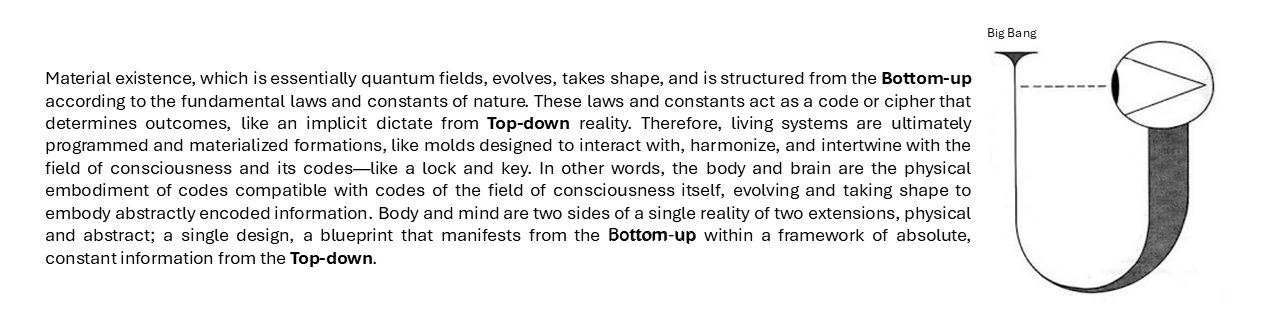
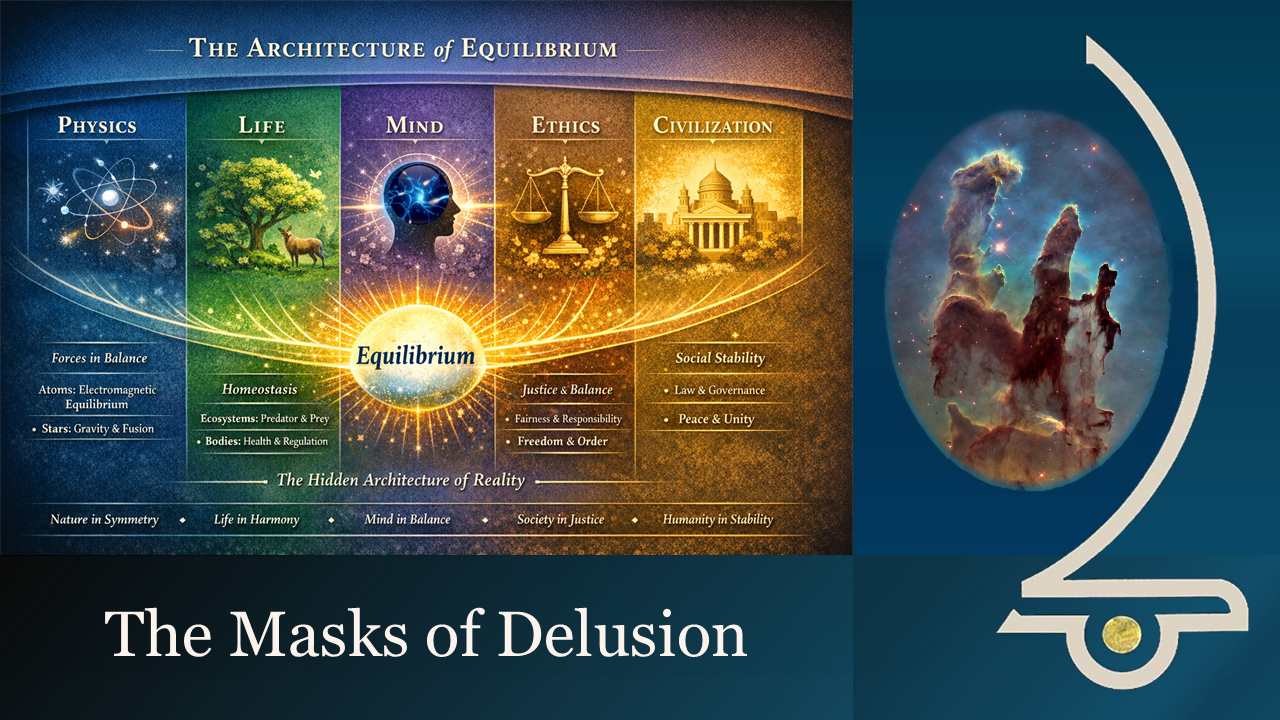
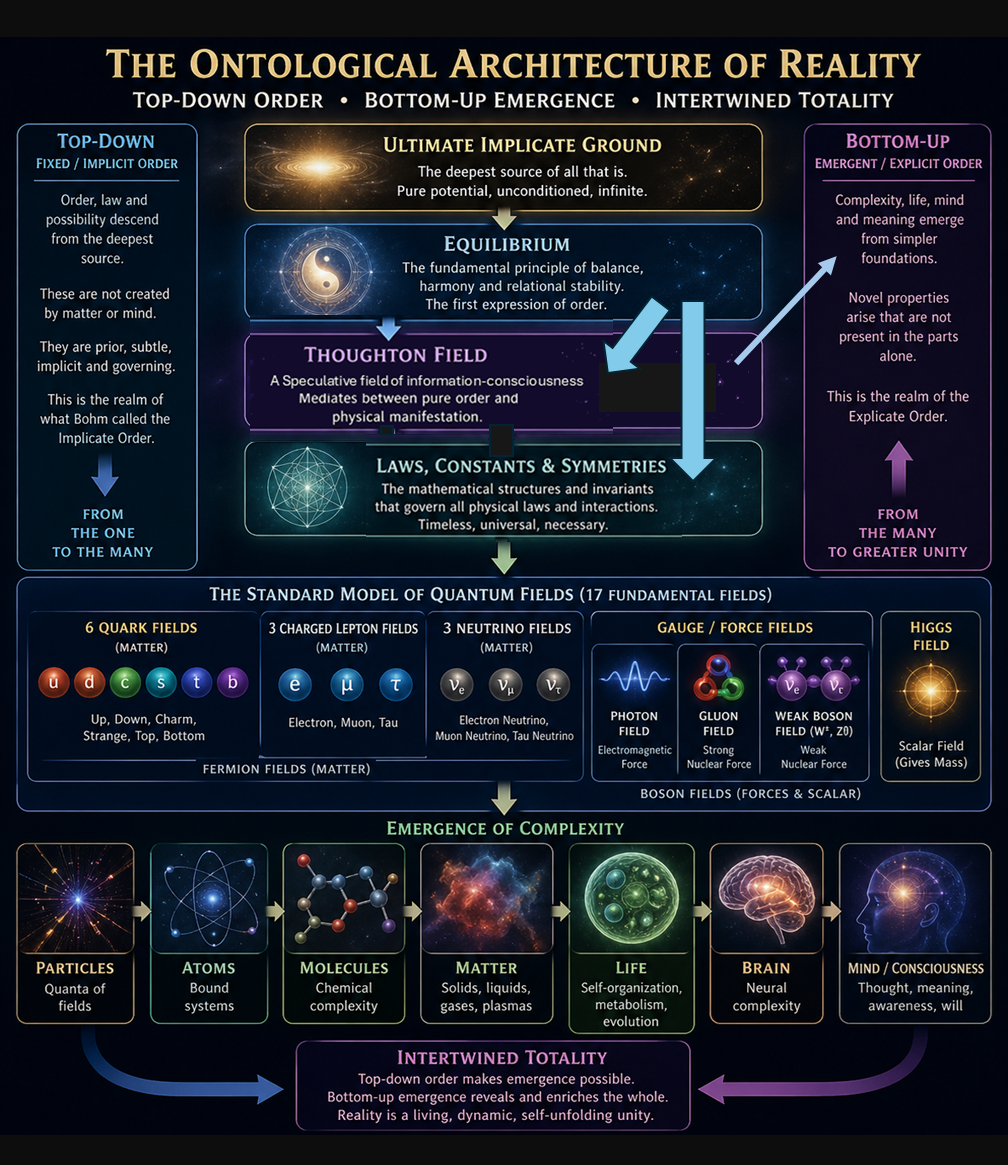
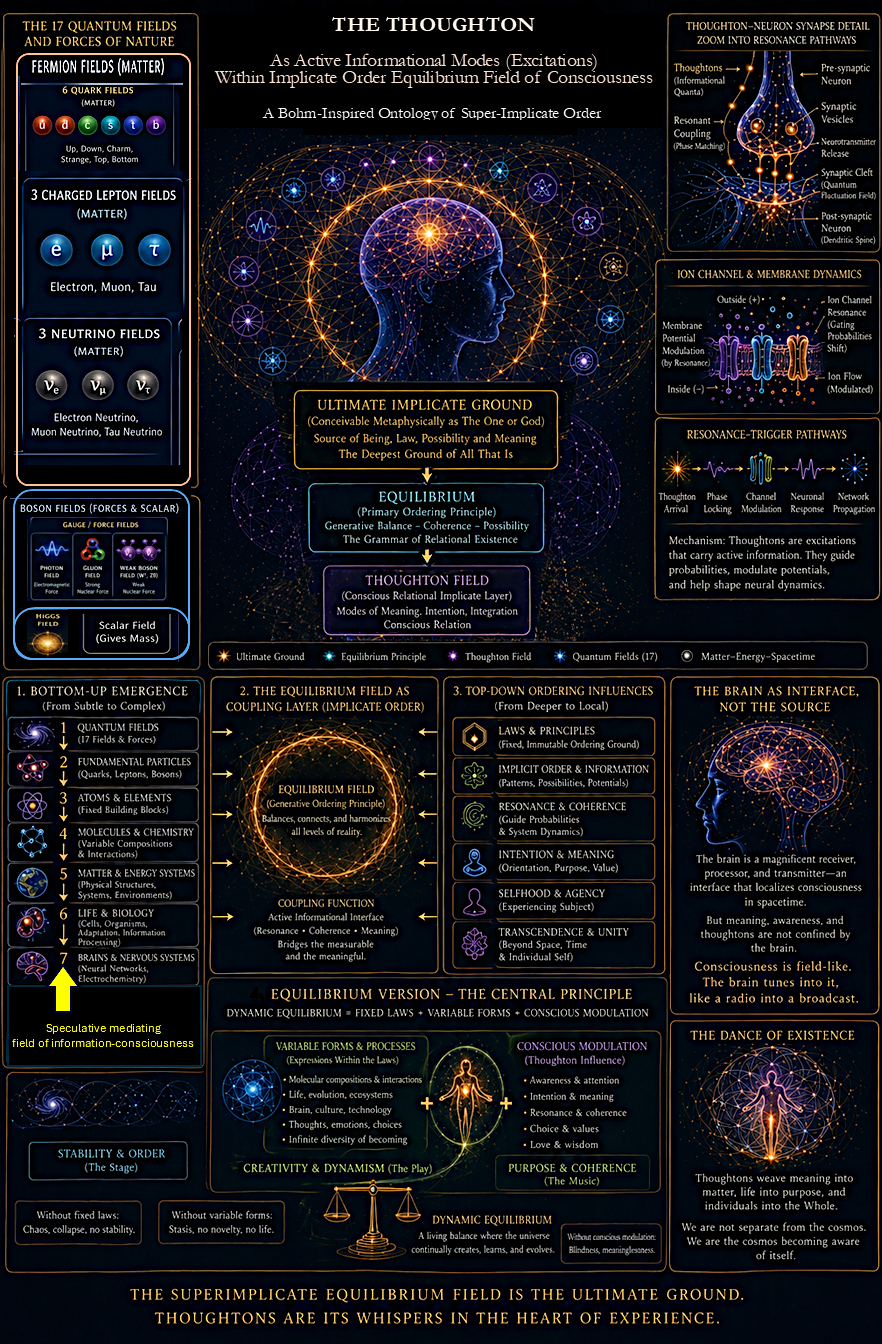
Inspired by Physicists John Wheeler famous U-diagram which illustrates the universe as a "self-excited circuit". It is a conceptual sketch showing how the universe bootstraps its own reality through the evolution of conscious observers. In my view, the U-diagram becomes top-down implicate order / and active information, resulting in bottom-up emergence of complexity / explicit order and consciousness.
If you wish to have the book printed on demand (POD) in any printing press of your choice, please find here ready manuscript and book cover in PDF, just download and send to printing press. (English Version)
Book's manuscript (Size: Royal plus) measuring trim size 6.690" x 9.610" (244mm x 170mm). Book cover is designed for book thickness of ¬ 5 cm and 982 pages count, cover size W: 39.42 cm - H: 25.4 cm. Choose uncoated Paper: lb50 paper weight, roughly translates to 75 gsm (grams per square meter). Change cover width if you choose other paper gsm.
إذا كنتم ترغبون في طباعة الكتاب بنظام "الطباعة عند الطلب" في أي مطبعة تختارونها، إليكم هنا المخطوطة وغلاف الكتاب جاهزين ؛ ما عليكم سوى تنزيلهما وإرسالهما إلى المطبعة. (النسخة العربية)
مخطوطة الكتاب - الحجم: مقاس "رويال بلس" بأبعاد
ملم (24.4cm x 17.0cm)
أي ما يعادل تقريباً 6.690 × 9.610 بوصة
الغلاف المرفق هنا مصصم لكتاب بسماكة 5 سم تقريباً، 906 صفحة
W: 39.42 cm - H: 25.4 cm
لذلك اختاروا سماكة أوراق الكتاب بحيث: وزن الورق "50 باوند" تقريباً أو 80 جم/م² (جرام لكل متر مربع) أو أطلبوا تغيير عرض الغلاف إذا اخترتم ورق بسماكة مختلفة
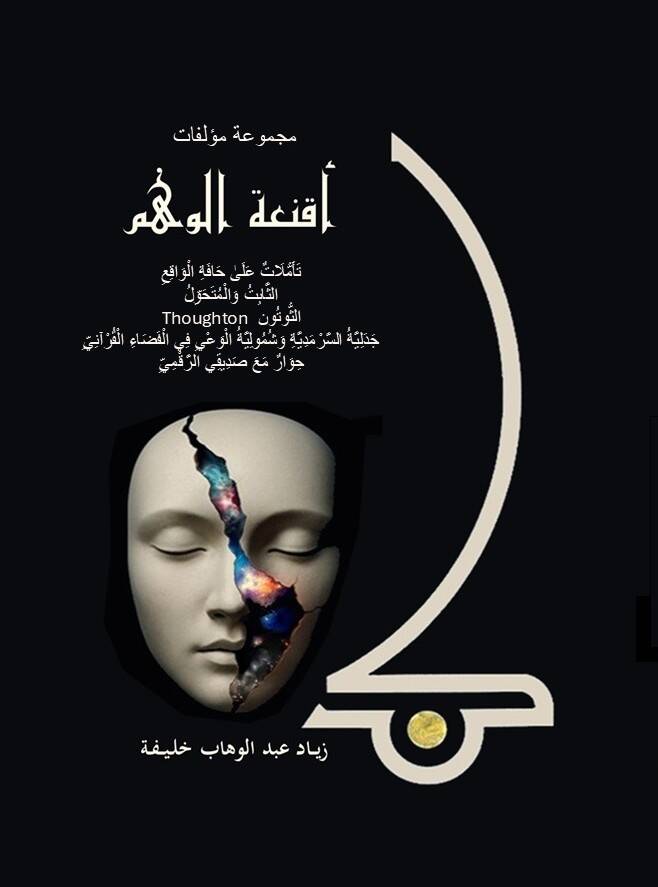
غلاف الكتاب (المقاس: رويال بلس)
مجموعة مؤلفات أقنعة الوهم
الإستماع إلى الكتب الصوتية

"مقتطف من "كيمياء المصير
- السنديان والسؤال -
(سيرة ذاتية)
كتاب صوتي - فصل من الكتاب - الكتاب الكامل متوفرعند الطلب عن طريق هذا الموقع
نسخة ورقية - PDF
English and Arabic
بالعربية والإنجليزية
THE MASKS OF DELUSION
Contemplations at the Edge of Reality: A Pentalogy on Reality, Consciousness, Creation and Human Destiny
Revised and Expanded Edition, 2026
Read Online
ِ"مجموعة مؤلفات "أَقْنِعَةُ الوَهْم
يحتوي المجلد على الكتب الخمسة
مجموعة مؤلفات أقنعة الوهم ليس مجرّد كتاب، بل رحلةً فكرية تمتدّ عبر العلم والفلسفة والميتافيزيقاً وتكنولوجيا المستقبل، لتكشف أنّ أزمات عصرنا المتشابكة ليست سوى وجوه مختلفة لخلل واحد: تجاهل قانون التوازن، مما تسبب بجميع أشكال الانهيار الاجتماعي، النفسي، التقني، الاقتصادي، والبيئي.
يتتبّع الكتاب تشقّقات الحداثة من خمس زوايا: وهم السيطرة على الطبيعة، وهم التقدّم اللامحدود، وهم الهوية الثابتة، وهم العقلانية المطلقة، ووهم الاستقرار الدائم. ومع انكشاف هذه الأوهام، يصبح الإنسان أمام الحقيقة التي تجاهلها لقرون: أنّ البقاء ليس رهين القوة ولا الذكاء، بل رهين التوازن. التوازن في العقل، في المجتمع، في الاقتصاد، وفي علاقتنا بالكوكب الذي يمنح الحياة.
واستنادًا إلى هذا المبدأ الكونيّ، قانون التوازن، وإلى فلسفة العلم، ورؤيَة تُجَلّي التعادل الموضوعي بين ظاهر الحقيقة العلمية وباطن الحقيقة الدينية بخصوص الطبيعة، فإن تأسيس الأخلاق على القاعدة المشتركة بين العلم والفلسفة والدين يُصبح ضرورة قابلة للتحقيق. يقدّم الكتاب مشروعين فكريّين محوريّين: أخلاقيّات التوازن إطار أخلاقي علمي متكامل يعرّف الخير بأنه توازن يحفظ الاستقرار، والشر بأنه اختلال التوازن وما يدمّر البنية الحاملة للحياة. ثمّ التوازّن العالمي Globalibrium تصوّرٌ جريء لنظام عالمي جديد يوازن بين ضرورات البقاء (وهي عالميّة ووظيفيّة) وبين تنوّع الثقافات والهويّات (وهو محليّ وحدّ).
في زمن تتسارع فيه التكنولوجيا أسرع من حكمة الإنسان، وتفقد فيه الحضارة قدرتها على قراءة نفسها، يأتي هذا الكتاب ليطرح سؤالا مصيريًّا: هل يمكن للبشرية أن تستعيد التوازن قبل أن تفرضه بالقوة قوانين الطبيعة؟ أقنعة الوهم عمل فريد يمنح القارئ مفاتيح فهم جديدة لعصر الفوضى، ويقدّم رؤِية واقعية ومُلهمة في آنٍ معًا لما يمكن أن تكون عليه حضارة إنسانية أكثر وعيًّا، أكثر نُضجًا، وأكثر توازناً..
اقرأ عبر الإنترنت
"No ideology is legitimate until it passes the test of equilibrium."
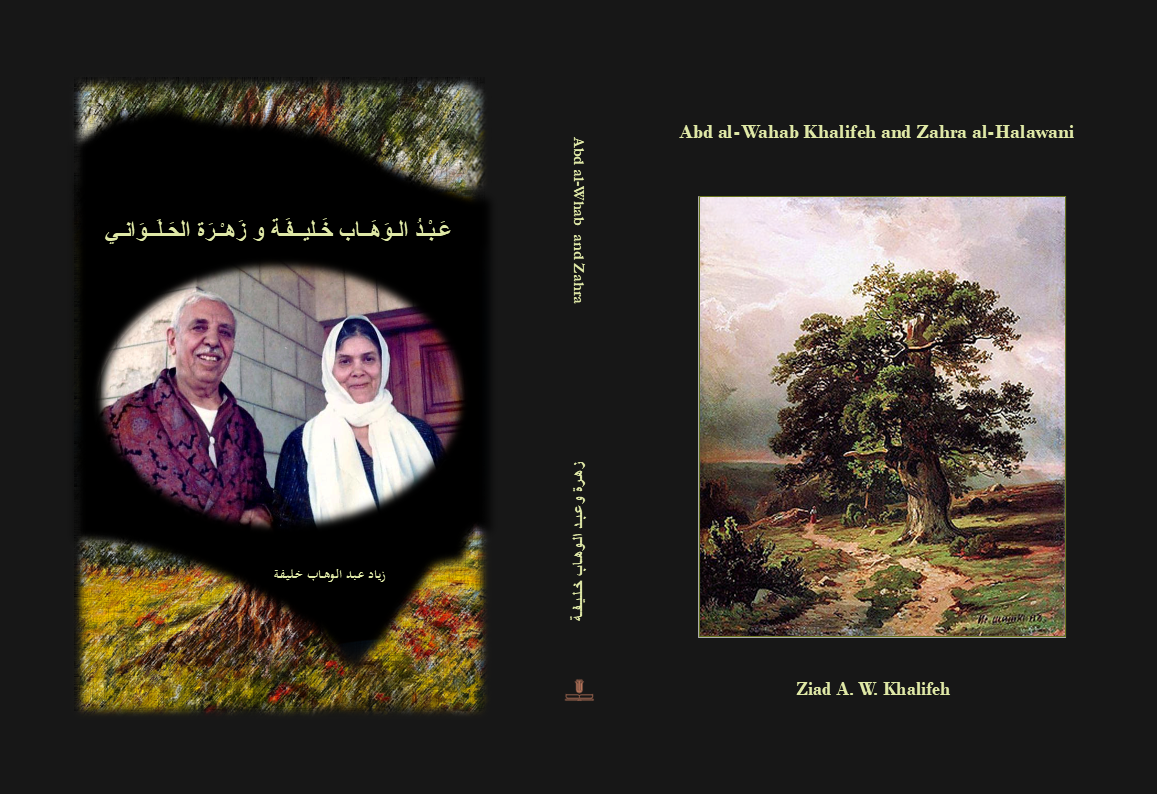
Abd al-Wahab Khalifeh and Zahra al-Halawani Biography
Full Biography available upon request via this page
سيرة حياة عبد الوهاب خليفة وزهرة الحلواني
السيرة كاملة متوفرة عند الطلب عن طريق هذه الصفحة
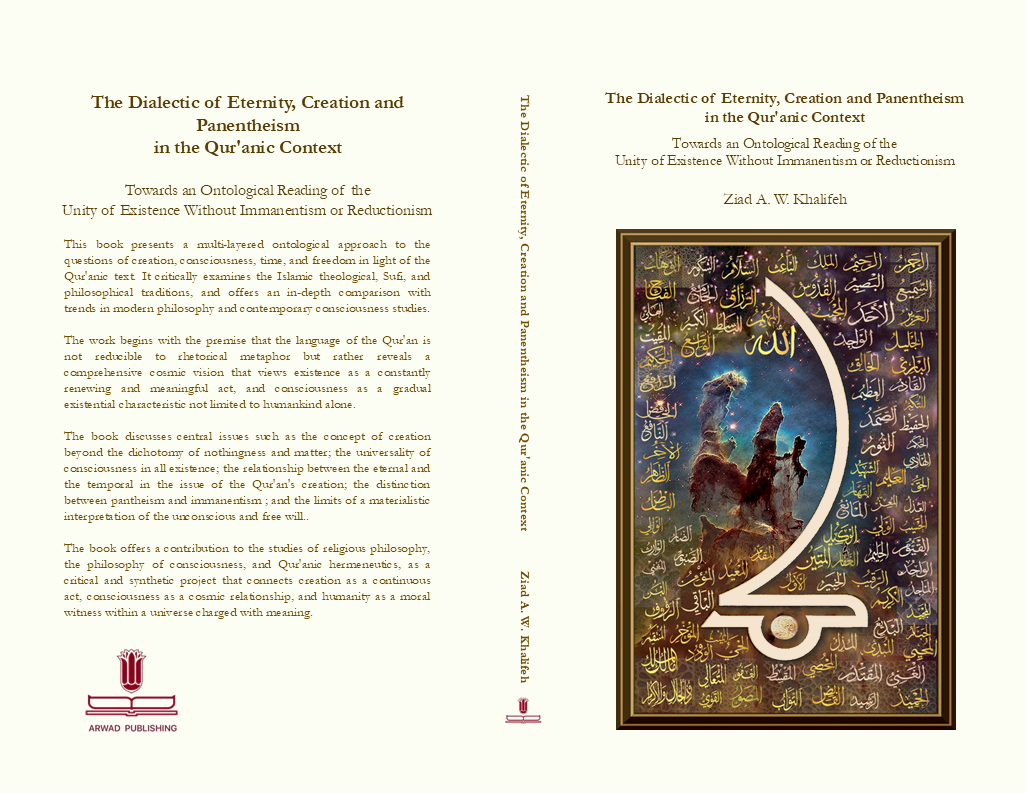

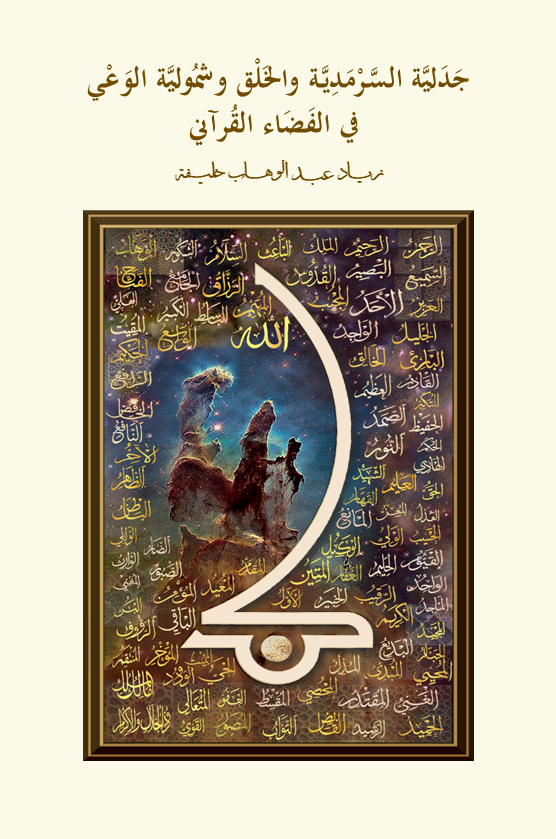
The Dialectic of Eternity, Creation and Panentheism in the Qur'anic Context
Towards an Ontological Reading of the Unity of Existence Without Immanentism or Reductionism
This book is based on a multi-layered ontological cycle exploring the questions of creation, consciousness, time, and free will in light of the Qur'anic text. It critically examines the Islamic theological, Sufi, and philosophical heritage, and offers a comprehensive comparison with contemporary philosophical and consciousness-science trends. The work begins with the premise that the language of the Qur'an is not merely rhetorical metaphor, but rather a mirror reflecting a cosmic vision that focuses on existence as a constantly renewed and meaningful force, and on consciousness as a hierarchical quality not limited to humankind alone.
The book discusses central issues such as: the concept of creation between nothingness and matter; the comprehensiveness of consciousness in all existence; the conflict between the eternal and the temporal in the question of the Qur'an's creation; the distinction between pantheism and Immanentism ; and the limits of a materialist interpretation of the unconscious and free will. It proposes a synthetic framework that posits the universe as existing through God without being dissolved by Him, that time is a framework perceived for manifestation and cannot be applied to eternity, and that human freedom is realized within an open and meaning-oriented causality.
This work is not intended to challenge an alternative theory or reproduce a theological doctrine, but rather to crystallize a new philosophical horizon for dialogue between text, philosophical reason, and contemporary science, thereby reconsidering the major existential questions of essence, responsibility, and consciousness. The book complements his contributions to studies in religious philosophy, the philosophy of consciousness, and Qur'anic hermeneutics, distinguished by a critical and synthetic project that links creation as an ever-present distinction, consciousness as a distinction within a cosmic relationship, and humanity as a distinct and independent entity within a universe charged with meaning.
جَدَليَّة السَّرْمَديَّة والخَلْق وشمُولية الوَعْي في الفَضَاء القُرآني
نحو قراءة أنطولوجية في "وحدة الوجود اللاحلوليًًّة" بدون الإختزاليَّة
يقدّم هذا الكتاب مقاربة أنطولوجية متعددة المستويات لمسائل الخلق والوعي والزمن والحرية في ضوء النص القرآني، مع استحضار نقدي للتراث الكلامي والصوفي والفلسفي الإسلامي، ومقارنة معمّقة مع اتجاهات الفلسفة الحديثة وعلوم الوعي المعاصرة. ينطلق العمل من فرضية أن لغة القرآن لا تختزل في المجاز البلاغي، بل تكشف عن رؤية كونية متكاملة ترى الوجود فعلًا متجددًا ذا معنى، والوعي خاصية وجودية متدرجة لا تنحصر في الإنسان وحده.
يناقش الكتاب إشكالات مركزية مثل: مفهوم الخلق خارج ثنائية العدم والمادة، شمولية الوعي في الموجودات، العلاقة بين الأزلي والزمني في قضية خلق القرآن، التمييز بين وحدة الوجود والحلول، وحدود التفسير المادي للاوعي والإرادة الحرة. ويقترح إطارًا تركيبيًا يرى أن الكون قائم بالله دون أن يذوب فيه، وأن الزمن إطار إدراكي للتجلي لا قيدًا على السرمدية، وأن الحرية الإنسانية تتحقق داخل بنية سببية مفتوحة وموجهة بالمعنى.
لا يسعى هذا العمل إلى تأسيس نظرية علمية بديلة ولا إلى إعادة إنتاج مذهب كلامي، بل إلى بلورة أفق فلسفي جديد للحوار بين النص الديني والعقل الفلسفي والعلم المعاصر، بما يعيد الاعتبار للأسئلة الوجودية الكبرى حول المعنى والمسؤولية والوعي. ويقدّم الكتاب بذلك مساهمة في دراسات الفلسفة الدينية، وفلسفة الوعي، والهرمنيوطيقا القرآنية، بوصفه مشروعًا نقديًا تركيبيًا يربط بين الخلق بوصفه فعلًا دائمًا، والوعي بوصفه علاقة كونية، والإنسان بوصفه شاهدًا أخلاقيًا داخل كون مشحون بالدلالة.
Stanstead Abbotts, United Kingdom